The Ranchers Beginner's Guide: Your First Days on the Ranch
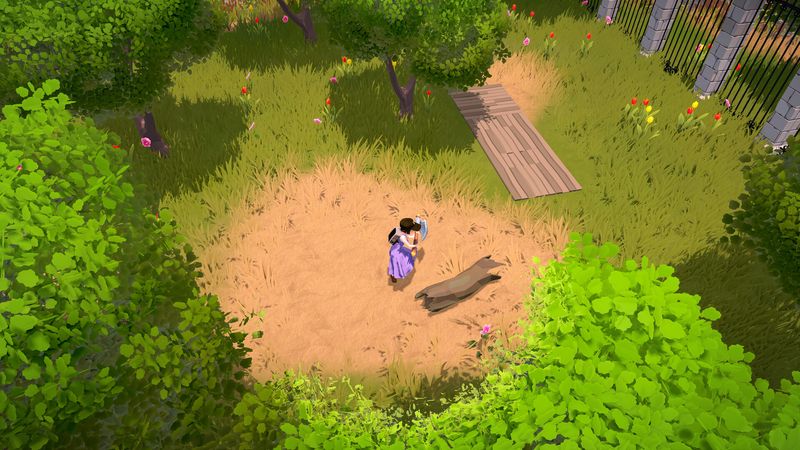
What to do on your first days
The Ranchers drops you onto an open-world ranch with more freedom than direction — classic for the genre. Your first in-game week sets the pace for everything after, so spend it deliberately:
- Learn the lay of the land. Walk your property and the surrounding open world before spending a single coin. Note where water, fertile plots, the town, and the nearest selling points are — travel time is a hidden cost in every ranch sim.
- Clear and prepare growing space early. Crops are almost always the fastest first income in the genre. Prepare soil and plant on day one, even if it's a small patch, so your first harvest clock starts ticking immediately.
- Follow the tutorial and intro quests. These typically hand out starter tools, seeds, or cash at a discount compared to buying them outright. Don't skip them.
- Start a small money loop before expanding. One reliable income stream (a first crop cycle) beats five half-finished projects. Check our money-making guide for how to think about your first loop.
- Bank a reserve before buying animals. Livestock ties up cash in the animal itself plus feed and housing. Buy in only once a crop cycle (or another income source) can cover upkeep.
Known gameplay systems
Based on the free demo and RedPilz Studio's official updates, these are the pillars of The Ranchers as announced so far:
- Open-world ranch life: A seamless rural world to explore on foot and on horseback, with your ranch as the home base you expand over time.
- Crop farming: Prepare plots, plant seasonal crops, water and harvest them for your baseline income. See the crop database for the current demo-based table.
- Animal husbandry: Raise ranch animals for recurring products. Animal goods are the classic "slow but steady" income line — details in the animal database.
- 1–4 player online co-op: The whole ranch can be run with friends, sharing the workload of daily chores. Our co-op guide covers role splits.
- Ranch building & expansion: Construct and upgrade farm buildings and infrastructure as your income grows.
- Town, NPCs & economy: Sell your produce, take on work, and interact with the local community as part of the progression loop.
We'll expand this section with confirmed mechanics — processing, skill progression, and any seasonal events — as soon as Early Access goes live and we can verify them in-game.
Starting in co-op (1–4 players)
Co-op changes the early game more than anything else. Four players can clear land, water crops, and run errands simultaneously — but only if you split duties instead of duplicating them. The short version:
- Assign zones, not tasks. Give each player a domain (fields, animals, town runs, building) rather than micro-managing each chore.
- Scale your first planting to your watering capacity. More hands means you can plant a bigger first field — but only as big as the group can water daily.
- Pool money for shared infrastructure first. Co-op groups that rush personal purchases stall; groups that fund shared upgrades compound.
The full breakdown — including host setup and a sample 4-player day schedule — is in the multiplayer & co-op guide.
Common beginner mistakes
- Planting out of season. Seasonal crops that miss their window are wasted seeds. Check the season column in the crop database before you buy.
- Buying animals before you can feed them. Upkeep kills more early ranches than anything else in the genre.
- Selling raw when you could process. If The Ranchers ships with artisan/processing mechanics (genre-standard), processed goods will out-earn raw produce. Watch our money-making guide for confirmation at launch.
- Ignoring travel time. A 5% better price across the map is often a worse deal than selling locally once you count the trip.
- Expanding before stabilizing. Grow one income loop until it's boring, then reinvest.
What's next
Once your first harvest sells, read the money-making guide to decide your second income stream, and bookmark the profit calculator — the moment you learn real prices in Early Access, it will tell you exactly what's worth planting and raising.