The Ranchers Beginner Mistakes: 12 Things to Avoid in Your First Week
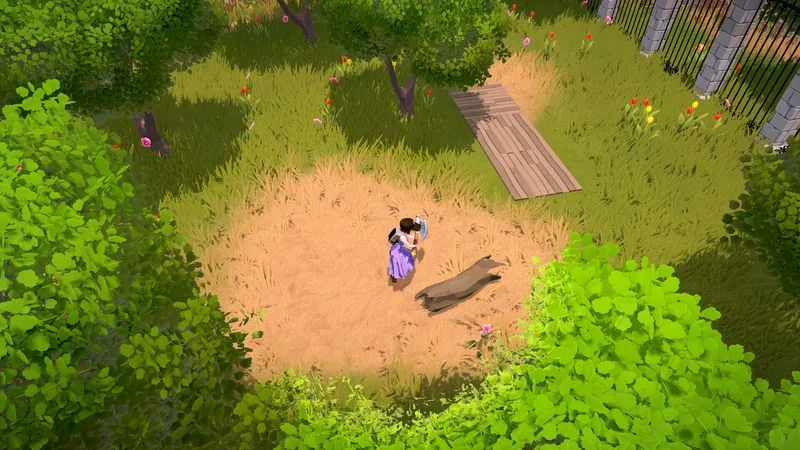
The live Early Access balance may change with patches, but several preventable problems are already clear: expanding before measuring upkeep, repeating avoidable travel, parking illegally, planning around roadmap features, or letting a co-op group spend without coordination.
This page is editorial strategy, not a list of verified mechanics: each item is a recommendation built on officially confirmed systems and labeled evidence, and unverified underlying rules are flagged inside the item. Treat it as a checklist of what to be careful about, not as documented game behavior.
Quick checklist: 6 mistakes to avoid first
- Don't buy animals before crop income covers upkeep. Animals combine purchase, housing, feed and time costs; start with a measured crop loop first.
- Don't treat sell price as profit. Use profit per in-game day — seed cost, growth time, yield, processing and repeatability all matter. The profit calculator exists for this.
- Don't plant more than you can water. A small maintained field compounds; a neglected field merely looks ambitious. Expand only with tool upgrades or co-op help.
- Don't park illegally or ignore fast travel. Vehicles outside your ranch or the 17 Overnight Parking spots can be impounded. Learn My Garage, Car Pound recovery and the 15 subway stations before driving everywhere.
- Don't reinvest everything with no reserve. Keep cash for unexpected tool upgrades, quest items, animal feed and building fees. A slower plan that survives surprises beats a perfect plan that collapses.
- Don't plan around roadmap features. Mines, combat, monsters, wildlife and hunting are listed as future updates. Build your first-week plan around current-build mechanics only.
Money mistakes
1. Spending before you know the map
The first shop you find is not automatically the shop you should build your plan around. Before buying anything large, learn where seeds, animals, building upgrades, and sell points are. A profitable loop on paper can become bad if it requires too much daily travel.
2. Buying animals too early
Animals are attractive because they feel like progress: a barn, a routine, a daily product. The trap is that animals usually combine several costs at once: purchase price, housing, feed, tools, and time. Buy your first animal only after crop income covers upkeep with room to spare.
3. Treating sell price as profit
A high sell price does not mean a good investment. Profit depends on seed cost, growth time, yield, processing time, and repeatability. Use profit per in-game day as the baseline. The profit calculator exists for exactly this reason.
4. Reinvesting everything with no reserve
Putting every coin into seeds feels efficient until a tool upgrade, quest item, animal feed purchase, or building fee appears. Keep a cash reserve. A slower plan that survives surprises is better than a perfect plan that collapses after one unexpected expense.
Time and energy mistakes
5. Planting more than you can water
A huge starter field can be worse than a small one if watering consumes the entire morning. Expand fields only when your tool upgrades, layout, or co-op help can support the routine. A maintained field compounds; a neglected field merely looks ambitious.
6. Ignoring parking and fast travel
Vehicles left outside your ranch or 17 designated Overnight Parking locations can be impounded. Learn My Garage, Car Pound recovery, and the 15 subway stations before turning every errand into a long drive.
7. Starting new chores late in the day
Late-day projects create messy days: unfinished clearing, missed NPC schedules, and panic trips to town before shops close. Use mornings for chores that must be done, afternoons for exploration and errands, and evenings for low-risk cleanup.
8. Planning around roadmap features
Mines, combat, monsters, wildlife, and hunting are listed as future updates. Build your first-week plan around mechanics visible in the current Early Access build, not the long-term feature list.
Co-op mistakes
9. Letting everyone spend shared money
Co-op ranches fail when four players make four separate plans with one pool of money — and whether the wallet is literally shared is still unverified in the current build, so test it before you rely on it. Either way, choose a quartermaster for large purchases. Everyone can suggest upgrades, but one person should approve spending that affects the whole ranch.
10. Duplicating chores
If two players water the same area while nobody checks shops, co-op becomes wasted labor. Split responsibilities by domain: crops, animals, town errands, gathering, and building. Rotate roles weekly if people get bored.
11. Assuming save behavior without testing it
The official launch notes do not document world transfer or guest inventory behavior. Run a short save-and-rejoin test before a group commits hours to one ranch, and keep the session owner consistent meanwhile.
12. Playing co-op without a first-session goal
A vague "let's just play" session turns into everyone wandering. A good first co-op goal is concrete: finish the tutorial, locate key shops, plant a starter field, and agree on the first building target. Chaos is fun only after the ranch has a foundation.
How to recover from a bad start
If your first week goes poorly, do not restart immediately. Most ranch-sim mistakes are recoverable if you stop expanding and rebuild the loop.
- Freeze big purchases. Do not buy animals, buildings, or decorations until cash flow is stable.
- Sell idle items. If something is sitting in storage without a clear use, turn it into money.
- Shrink the routine. Maintain a smaller field perfectly instead of a large field badly.
- Pick one income source. Run one crop cycle or one side activity until it produces reliable cash.
- Use the calculator. Enter real prices once you have them and compare options by profit/day instead of instinct.
Beginner mistakes FAQ
Is it bad to buy animals in the first week?
Not always, but it is risky if you cannot cover housing and upkeep comfortably. Crops usually create a safer first money loop because the costs are smaller and faster to repeat.
Should I restart if I wasted my first few days?
Usually no. Stop spending, simplify the routine, sell excess items, and rebuild around one reliable income loop. Restart only if you want a cleaner learning run.
What is the safest first-week goal?
Finish the tutorial, plant a manageable starter field, locate key shops, keep a cash reserve, and avoid large purchases until real upkeep numbers are known.
Related guides
- Early Access Status — current version, launch hotfix and known limits.
- Beginner's Guide — a day-by-day first-week roadmap.
- Money-Making Guide — how to compare income options without fake numbers.
- Multiplayer & Co-op Guide — avoid shared-ranch chaos.